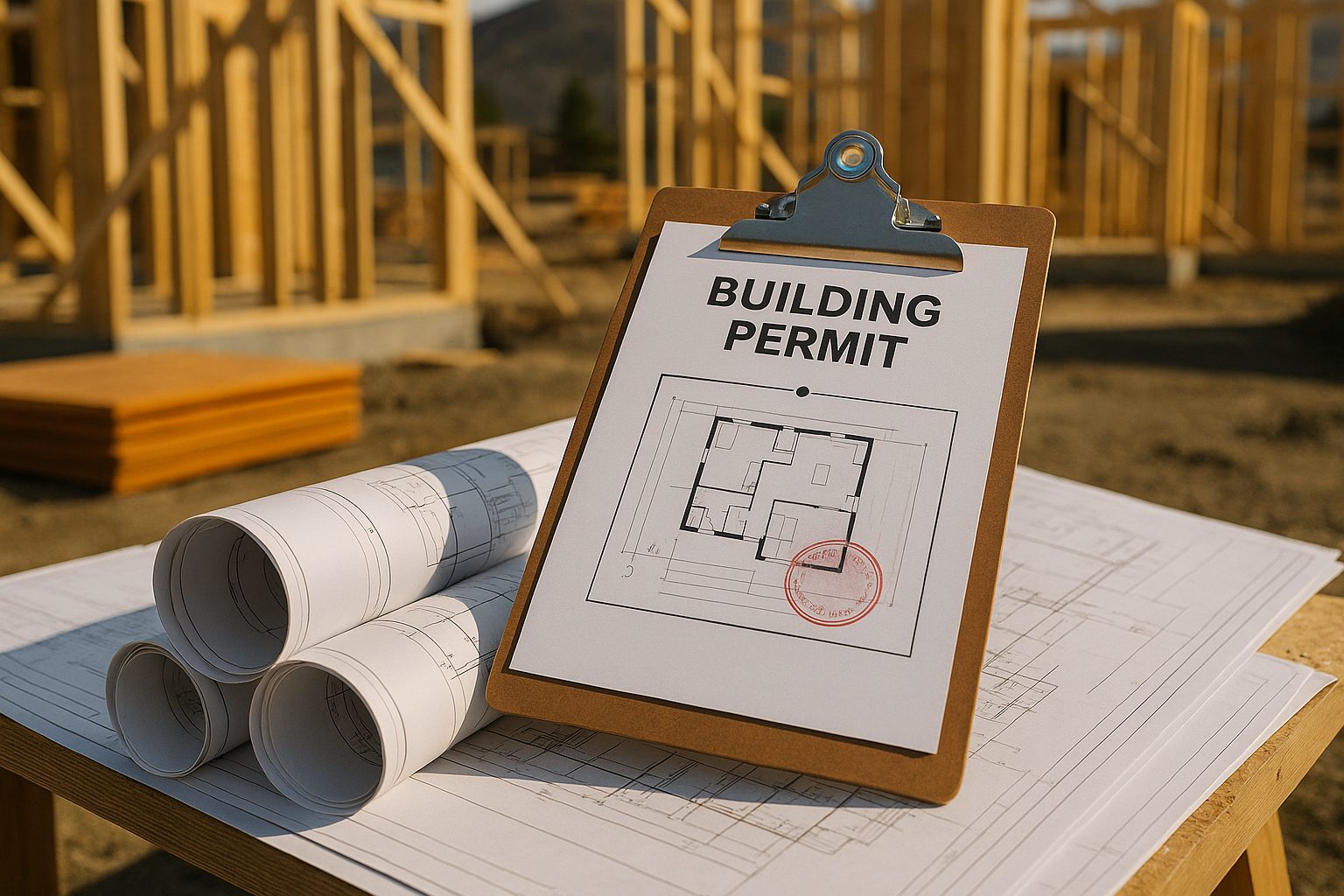
Building Permits and Regulations in Kamloops: A Homeowner Guide
Understanding when and how to obtain building permits is crucial for any construction project in Kamloops. This guide breaks down the permit process, zoning regulations, and building codes to help homeowners navigate the system successfully.
When Do You Need a Building Permit?
Always Requires a Permit
- New home construction
- Additions to existing buildings
- Structural changes (removing load-bearing walls)
- Decks over 2 feet high or larger than 108 sq ft
- Basement developments and secondary suites
- Garage construction or major renovations
- Changes to building footprint
- Finishing an existing basement (depends on scope)
- Significant electrical or plumbing work
- Installing wood-burning appliances
- Retaining walls over 4 feet
- Fences over 6 feet
- Minor repairs (replacing like-with-like)
- Painting and cosmetic updates
- Cabinet installation
- Flooring replacement
- Window replacement (same size)
Types of Permits
Building Permit
Required for structural work, new construction, and major renovations. Includes:
- Review of plans and specifications
- Inspections during construction
- Final occupancy approval
Required when:
- Changing land use
- Building in certain zones
- Exceeding height or setback requirements
- Creating secondary suites
- Commercial development
Specific to systems work:
- Electrical permits
- Plumbing permits
- Gas permits
- Typically obtained by contractors
Required for:
- Complete building removal
- Partial demolition affecting structure
- Asbestos removal
The Permit Application Process
Step 1: Pre-Application Research
Before applying:
- Check zoning for your property
- Review setback requirements
- Understand height restrictions
- Verify parking requirements
- Check for heritage designations
Required typically includes:
- Site plan showing property lines and setbacks
- Floor plans with dimensions
- Cross-sections showing structure
- Elevation drawings
- Engineering calculations (if applicable)
- Energy efficiency compliance
In Kamloops, submit to:
- Online through City of Kamloops portal
- In person at City Hall
- Through a permit expeditor
Timeline varies:
- Simple projects: 2-4 weeks
- Complex projects: 6-10 weeks
- May require revisions
- Some need additional approvals (heritage, variances)
Once approved:
- Pay permit fees
- Receive permit documents
- Post permit on site
- Schedule inspections
Understanding Zoning
Residential Zones
Common designations:
- R1: Single-family residential
- R2: Two-family residential
- R3: Multi-family residential
- R4: Townhouse residential
- R5: Apartment residential
- Lot coverage (maximum building footprint)
- Height restrictions
- Setbacks (distance from property lines)
- Floor area ratio
- Parking requirements
- City of Kamloops online mapping
- Property title search
- Zoning bylaws available online
- Call City planning department
Building Code Requirements
BC Building Code
All construction must comply with:
- Structural requirements
- Fire safety standards
- Energy efficiency standards
- Accessibility requirements
- Plumbing and electrical codes
- Ceiling height minimums (6'8" in basements)
- Egress window requirements in bedrooms
- Stair dimensions and handrails
- Smoke and CO detector placement
- Insulation values
- Ventilation requirements
Step Code requirements:
- New homes meet specific energy targets
- Affects insulation, windows, HVAC
- Requires energy modeling
- Higher steps = more efficient homes
Secondary Suites
Legal Suite Requirements
To create a legal secondary suite:
- Development permit required
- Separate exterior entrance
- Parking space
- Minimum ceiling heights
- Sound attenuation
- Fire separation
- Rental income potential
- Increased property value
- Insurance coverage
- Peace of mind
- Easier resale
1. Verify zoning allows suites
2. Apply for development permit
3. Obtain building permit
4. Construction with inspections
5. Final occupancy approval
6. Register with city
Common Challenges and Solutions
Setback Issues
When building too close to property lines:
- Apply for variance (additional cost and time)
- Redesign to meet setbacks
- Consider alternative locations
If exceeding height limits:
- Modify design
- Apply for variance
- Consider different roof styles
When unable to meet parking minimums:
- Apply for relaxation
- Provide alternative solutions
- Consider tandem parking
Additional requirements for heritage homes:
- Heritage alteration permit
- Design review
- Material and style consistency
- May be eligible for grants
Working with Professionals
When to Hire Help
Consider professional assistance for:
- Complex projects
- Zoning interpretations
- Variance applications
- Heritage approvals
- Code compliance questions
- Faster permit approval
- Fewer revisions needed
- Code compliance assurance
- Coordination of multiple permits
- Problem-solving expertise
Costs and Timelines
Permit Fees
Based on project value:
- Building permits: $5-15 per $1,000 of value
- Development permits: $200-2,000+
- Trade permits: $100-500 each
- Re-inspection fees if required
- Building permits: 2-6 weeks
- Development permits: 4-8 weeks
- Variances: 8-12 weeks
- Complex projects: 3-6 months
- Project complexity
- Application completeness
- Current workload at City
- Need for revisions
- Additional approvals required
Inspection Process
Required Inspections
Typical inspections include:
- Foundation/footings
- Framing
- Electrical rough-in
- Plumbing rough-in
- Insulation
- Final inspection
- Book 24-48 hours in advance
- Work must be ready for inspection
- Failed inspections require re-inspection
- Keep inspection records
Required before using space:
- All deficiencies corrected
- Final inspection passed
- Occupancy certificate issued
- Safety systems operational
Avoiding Common Mistakes
Planning Errors
- Not checking zoning first
- Incomplete permit applications
- Ignoring setback requirements
- Underestimating timelines
- Starting work without permits
- Not calling for inspections
- Deviating from approved plans
- Covering work before inspection
- Inaccurate site plans
- Missing structural details
- Incomplete specifications
- Wrong permit types
Resources
City of Kamloops
- Building permits: 250-828-3401
- Development services: 250-828-3400
- Online portal: kamloops.ca/permits
- Zoning maps available online
- Canadian Home Builders' Association
- BC Construction Association
- Kamloops Builder's Association
- BC Building Code online
- Energy Step Code resources
- Heritage register database
Conclusion
Navigating permits and regulations may seem daunting, but understanding the process helps ensure your project proceeds smoothly. When in doubt, consult with professionals who work with these requirements regularly.
At Hodder Construction, we handle permit applications and ensure code compliance for all our projects, giving homeowners peace of mind throughout the construction process.
Questions about permits for your project? Contact Hodder Construction at (250) 828-8760 for expert guidance.